Bread, Big Macs and the metro: what everyday life costs
By Thomas Hermet · October 22, 2026 · 5 min read
Bread, beer, petrol, stamps: what daily life costs in France in 2026, and why a Big Mac costs so much more in Switzerland than in Japan or the United States.
The Big Mac, a thermometer for world prices
Since 1986, the British weekly The Economist has compared the price of the same burger across dozens of countries. The logic behind its Big Mac index is simple: the recipe and the way it is made are much the same everywhere, so price differences say a lot about currencies, wages and the cost of living. In July 2026, a Big Mac in the United States cost $6.22 on average. In Switzerland, it was 7.30 Swiss francs. In Japan, 500 yen.
Those three numbers tell three economic stories. Switzerland regularly sits at the top of the index: some of the highest wages in the world, a strong franc and expensive rents all end up in the price of a burger. Japan, on the other hand, offers one of the cheapest Big Macs in the rich world once converted into dollars or euros: the yen has weakened considerably in recent years, after decades in which prices and wages barely moved. The United States went through a burst of inflation in the early 2020s, and restaurants passed on their rising costs, wages first among them.
The lesson holds for everything that follows: a price on its own tells you very little. You have to set it against what people earn, what they pay in tax and what it costs to serve the customer.
At the shops: bread, coffee and eggs
In France, the national statistics office Insee records the average price of a kilo of baguette bread every month: €4.11 in August 2026. With a standard baguette weighing around 250 g, that puts one at just over a euro. In the United States, the Bureau of Labor Statistics tracks a close equivalent, a pound of white pan bread: $1.823 in August 2026, or roughly $4 a kilo. Weight for weight, then, a French bakery loaf and a bagged American sandwich loaf cost about the same, even though the former is kneaded and baked on the premises.
Coffee shows an even more striking convergence. A kilo of Carte Noire coffee beans was priced at €20.84 in a hypermarket near Paris in February 2026; a pound of ground coffee averaged $9.299 in the US in August, or about $20.50 a kilo. Coffee is a commodity traded on a world market, and prices hit record highs in 2024 and 2025: shoppers everywhere picked up the bill, whatever their currency.
Eggs are a reminder that food prices can also spike for reasons of animal health. In the United States, bird flu sent prices to record levels in early 2025; by August 2026, a dozen eggs had fallen back to an average of $2.272. In France, most food sold in shops carries a reduced VAT rate of 5.5%, which keeps the tax share of the grocery bill low.
At the café, you are mostly paying for service
A small draught lager, the French 'demi', cost an average of €3.67 in a café in August 2026, according to Insee. A demi is 25 cl, so that works out at nearly €14.70 a litre. At the supermarket, a six-pack of 25 cl Heineken bottles, a litre and a half in total, cost €4.55 over the same period: about €3 a litre. The same beer costs almost five times as much once it has been poured for you.
Tax does not explain the gap: alcoholic drinks carry 20% VAT in a café and in a shop alike. What you are paying for is the rent, the staff, the glassware, the energy and the time spent at the table. The same goes for a cola served at a table, €4 on average, when a six-pack of 25 cl glass Coca-Cola bottles sells for €6.47 in a shop. Labour costs show up elsewhere too: an hour of an electrician's time averaged €68.28 including VAT in France in August 2026, materials not included.
In London, a pint of draught beer averaged £6.55 in April 2026 for 568 ml, or about £11.50 a litre. The British capital shows how housing weighs on every price: the average monthly private rent there stood at £2,332 in August 2026. Waiters and cooks need somewhere to live, and businesses pay rents in line with the city too.
When the state sets much of the price
Some prices are mostly tax. A litre of unleaded 95-E10 averaged €2.01 in mainland France in August 2026. Roughly half of that is tax: the excise duty on energy, with 20% VAT charged on top. In the United States, a gallon of regular gasoline cost $4.354 in early October 2026, or about $1.15 a litre. The federal tax there is 18.4 cents a gallon, unchanged since 1993, plus state taxes that vary widely. Since crude oil trades on a world market, most of the gap comes down to that political choice.
Tobacco takes the logic to its extreme. A pack of 20 Marlboro, France's best-selling brand, cost €13.50 on 1 September 2026, a price approved by government order; taxes make up more than three quarters of it, an openly assumed public health lever. Fines are set by law as well: a minor speeding offence, under 20 km/h over the limit on a road limited to more than 50 km/h, carries a €68 fixed penalty, reduced if you pay quickly.
Subscriptions, transport and stamps
Big digital services set their prices country by country, depending on local purchasing power, competition and VAT, which is included in the price shown. In October 2026, a Netflix Standard plan cost €14.99 a month in France and Spotify Premium Individual €12.14, following a price rise in 2025.
Public transport, by contrast, is heavily subsidised, and fares are a political decision. A single Paris metro ticket costs €2.55 in 2026, against $3 for a New York subway ride and £3.10 for a peak-time Zone 1 journey in London. The Navigo monthly pass, valid across the whole Paris region, costs €90.80, half of which employers refund to their staff. Germany took a different route with the Deutschlandticket: €63 a month for all regional transport nationwide.
Stamps, finally, tell the story of a changing world. The French Lettre verte went up to €1.52 on 1 January 2026, a Royal Mail First Class stamp costs £1.80 and a US Forever stamp $0.82. In all three countries, the number of letters sent has collapsed while postal workers still walk the same streets: the fixed cost of each round is spread over fewer and fewer envelopes.
Tap water, the best deal of everyday life
A water bill for 120 m³, the reference yearly use of a French household, averaged €272.23 in August 2026, standing charge, sewerage and taxes included. That puts a litre of tap water at around 0.23 cents. A six-pack of 1.5-litre Cristaline bottles, one of the cheapest waters on the shelf, costs €1.14, or almost 13 cents a litre: more than fifty times the price of the tap. With a six-pack of one-litre Evian bottles at €3.24, the ratio climbs past two hundred.
To put your own price sense to the test, the daily challenge asks you to estimate real prices every day, and the groceries aisle gathers every everyday product in the catalogue.
Objects in this guide
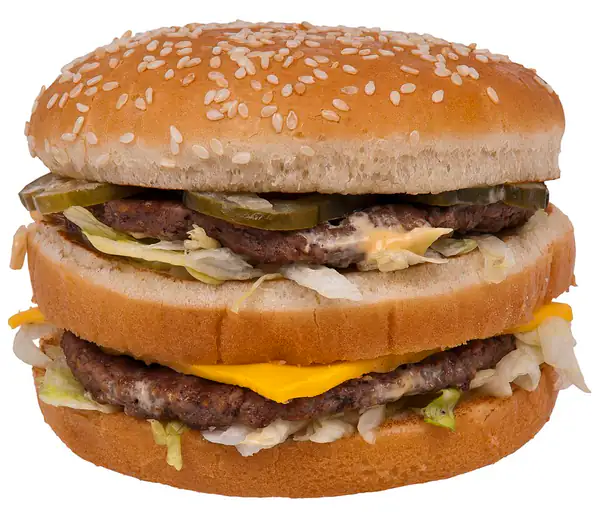
Big Mac in the United States Bargain?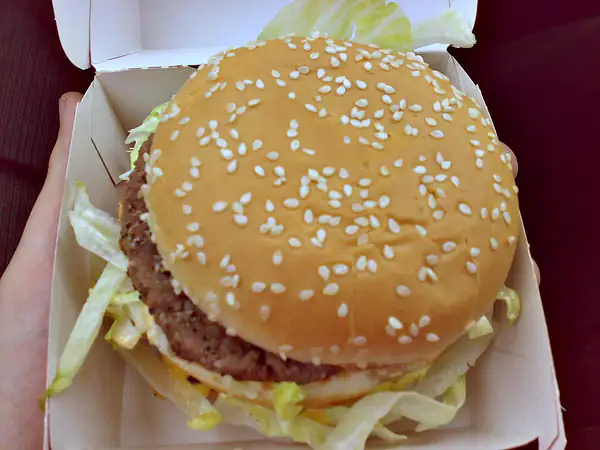
Big Mac in Switzerland Bargain?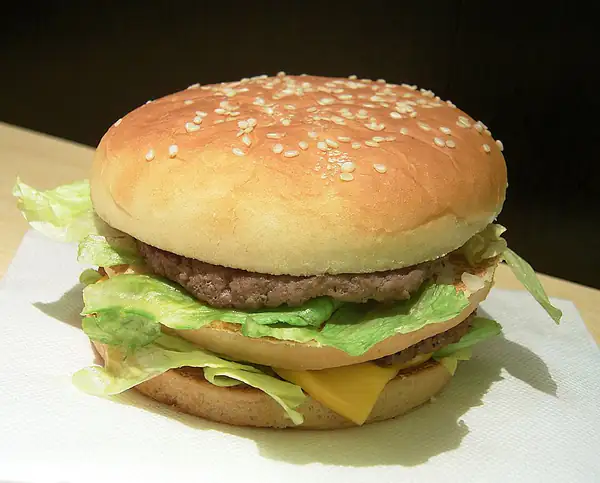
Big Mac in Japan Bargain?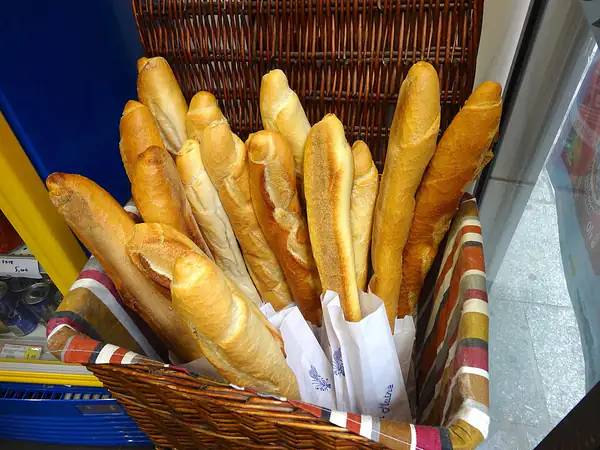
One kilo of baguette bread (France) Bargain?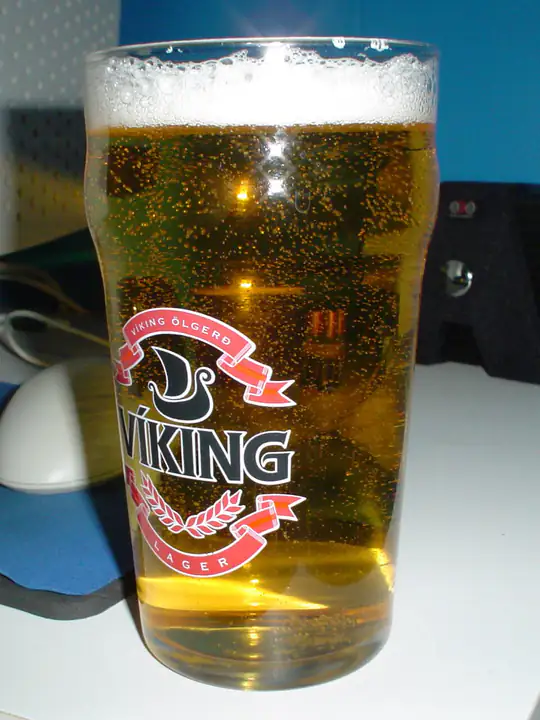
Small draught lager ('demi') in a French café Bargain?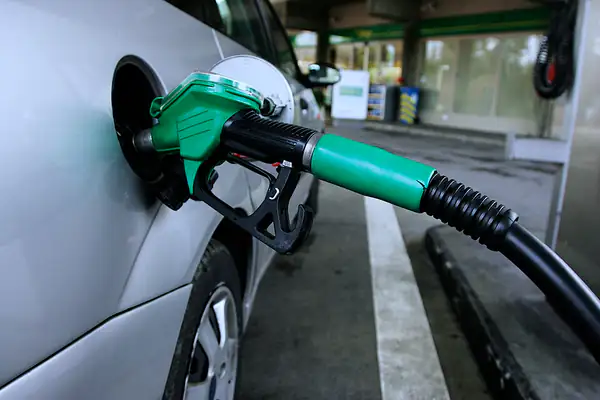
Litre of unleaded 95-E10 petrol in France Bargain?
Single Metro-Train-RER ticket (Paris) Bargain?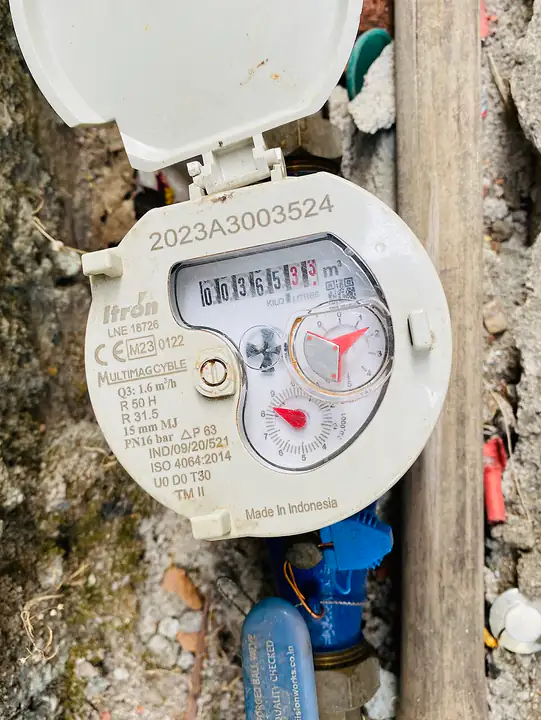
Water bill for 120 m³ incl. standing charge (France) Mid-range?